Downtown San Diego Condo or Loft: Which Fits Your Life?
June 25, 2026
June 25, 2026
Trying to choose between a condo and a loft in Downtown San Diego? You are not alone, and the choice is often more nuanced than it first appears. If you want the right fit for your lifestyle, budget, and long-term plans, it helps to understand how downtown living actually works building by building and neighborhood by neighborhood. Let’s dive in.
One of the biggest points of confusion is that condo and loft do not describe the same thing. In California, a condo is mainly an ownership structure, not a design style. That means you own your individual unit while sharing rights and responsibilities for common areas through a homeowners association, or HOA.
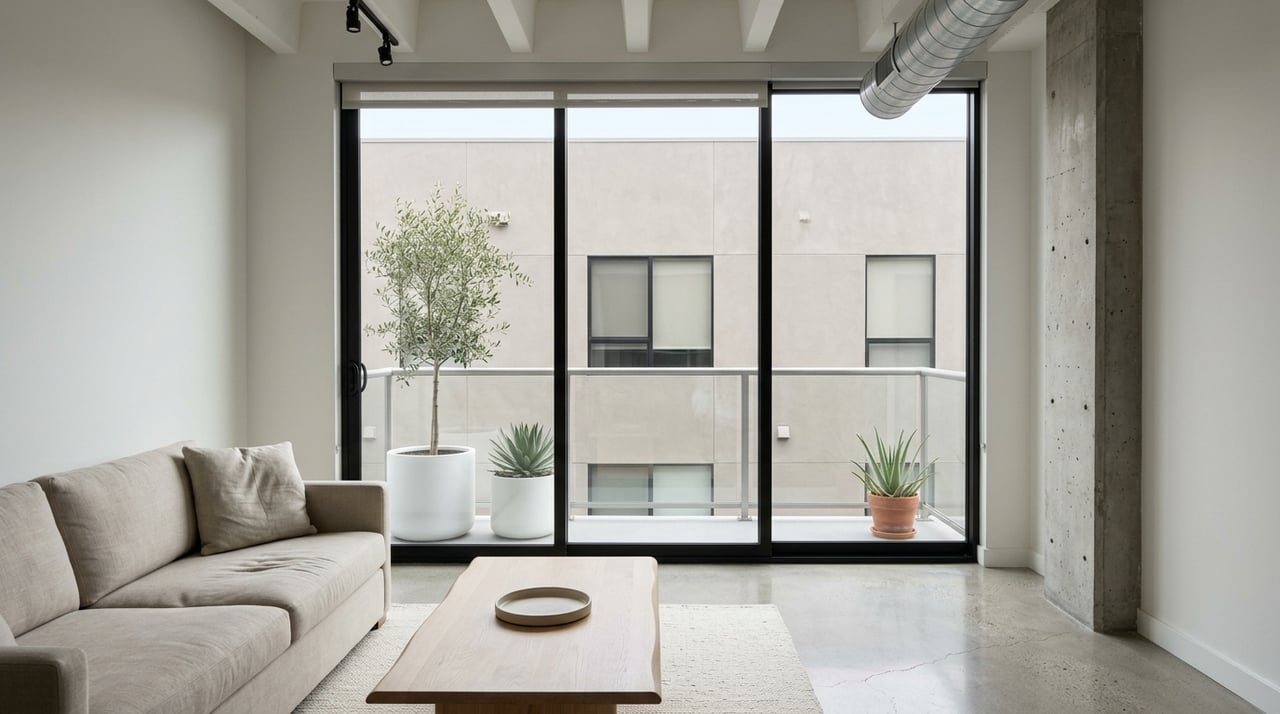
A loft, by contrast, describes the layout and feel of the home. Loft-style homes usually feature open floor plans, fewer interior walls, higher ceilings, and larger windows. Some are older converted spaces with an industrial look, while others are newer homes designed to capture that same open feel.
In other words, a loft can also be a condo. For many Downtown San Diego buyers, the real choice is not condo versus loft as opposites. It is often traditional condo layout versus loft-style open plan within a condo building.
Downtown San Diego is not one uniform environment. It is a collection of distinct neighborhoods, each with its own day-to-day rhythm, access points, and housing feel. That matters because the right home for you depends not just on the unit itself, but also on what happens outside the front door.
The City of San Diego and Downtown San Diego Partnership both frame downtown as a place where you can live close to work, transit, recreation, and culture. Downtown is also strongly transit-oriented, with trolley access through major stations like America Plaza, County Center/Little Italy, Gaslamp Quarter, Park & Market, and 12th & Imperial.
If you plan to live car-light, that transit access can be a real advantage. If you drive daily, though, parking details may matter just as much as square footage or finishes.
A traditional condo layout often works well if you want more room separation and a more conventional home feel. You may prefer defined bedrooms, more privacy between living areas, and clearer storage zones. For many buyers using the home as a primary residence, that setup feels more practical day to day.
In Downtown San Diego, this style may be especially appealing if you are comparing buildings in areas like Columbia, Marina, or Cortez Hill. Those neighborhoods are often associated with a more residential tone, waterfront or park adjacency, and a different pace than nightlife-focused parts of downtown.
That does not mean every condo in those areas will be quiet or every unit will feel the same. It does mean your touring strategy should start with neighborhoods that better match the lifestyle you want.
Buyers often lean toward traditional condo layouts for a few simple reasons:
If you work from home, host guests, or simply like spaces with clear boundaries, a traditional layout may feel easier to live in over time.
Loft-style living appeals to buyers who want openness, flexibility, and a little visual drama. High ceilings, large windows, and fewer walls can make a space feel bigger and brighter. If you like a home that feels creative, modern, or adaptable, a loft may stand out right away.
This style can be especially attractive if you want a live/work-friendly setup or like the idea of customizing how the space functions. An open plan can give you freedom to arrange your home around your habits rather than around a pre-set floor plan.
The tradeoff is that openness is not always ideal for everyone. Loft-style homes often offer less privacy, less dedicated storage, and fewer built-in separations than a traditional condo layout.
A loft may be the better fit if you value:
If you see fewer walls as a feature rather than a drawback, loft living may be a smart match.
In Downtown San Diego, the layout is only part of the decision. The bigger question is how the building and neighborhood support your lifestyle. Four issues usually shape that answer most: HOA dues and rules, parking, noise, and rental flexibility.
If you buy in a condo building, the HOA matters a lot. In California, HOAs make and enforce rules, collect dues and assessments, and manage common-area responsibilities. They also handle budgeting, reserve planning, and maintenance obligations that can directly affect your monthly carrying costs.
That is why two homes with similar prices can feel very different financially. A lower purchase price does not always mean a lower overall cost if dues are high or reserve needs are significant.
Before you tour seriously, ask for:
Parking can vary widely from building to building downtown. That is not an accident. In San Diego Transit Priority Areas, some multifamily residential developments can be built with zero minimum parking, which supports lower housing costs and alternative transportation.
Downtown also has a managed community parking district and public parking inventory, but that does not guarantee your building will offer the parking setup you want. One assigned space, tandem parking, leased parking, or no dedicated parking at all can each change your experience.
If you plan to drive regularly, ask very specific questions about parking assignment and access. If you want to rely more on transit, being near a downtown trolley station may matter more than a second parking spot.
Noise is one of the clearest tradeoffs in downtown living. The city generally requires reduced noise levels between 10 p.m. and 7 a.m. in residential zones, and nighttime construction work requires a permit. Still, downtown activity levels vary a lot depending on the block, building orientation, and nearby uses.
This is where neighborhood context becomes especially important. East Village and Gaslamp Quarter are closely tied to events, nightlife, and entertainment. Columbia, Marina, and Cortez Hill often attract buyers looking for a different day-to-day feel.
The best move is to verify noise in person. Visit at different times of day, and if possible, on both weekdays and weekends.
Many buyers ask the same question: if you buy a downtown home as your primary residence now, can you rent it out later? The answer is often maybe, but you cannot assume. In California common-interest developments, rental rights are shaped by state law and by the association’s governing documents.
California law generally protects an owner’s ability to rent a separate interest, but HOAs may still have rules that affect leasing, guest access, and parking. Rental caps and older restrictions can also matter depending on the building and when title was acquired.
If future flexibility matters to you, ask for the building’s long-term leasing rules before you move forward. If you are thinking about short-term rentals, that is a separate issue. The City of San Diego requires a Short-Term Residential Occupancy license for stays of less than one month citywide, so short-term income should never be assumed.
Because Downtown San Diego functions as a set of neighborhoods, your search should start with lifestyle fit first. Then you can narrow down by building, layout, and budget.
If you want a quieter primary residence and a more conventional home base, a first look at Columbia, Marina, or Cortez Hill often makes sense. These areas are associated with waterfront parks, hilltop residential settings, and condo-oriented urban living.
For buyers comparing traditional condo layouts, these neighborhoods may offer the strongest starting point. They can align well with buyers who care about views, room separation, and a more residential rhythm.
If your top priority is restaurants, nightlife, events, and active streets, East Village and Gaslamp Quarter are often the most obvious matches. East Village is downtown’s largest and fastest-growing neighborhood and includes Petco Park, while Gaslamp is known as an entertainment district.
If you want strong walkability with a different pace, Little Italy may also belong on your list. It blends dining, shopping, and urban living in a way that appeals to many buyers who want downtown convenience.
If open space is your main priority, focus less on the condo-versus-loft label and more on buildings with loft-style inventory. That may include older conversions or newer soft-loft homes designed to create the same open feel.
For this buyer profile, the question is simple: do you want walls, or do you want flexibility? If you are comfortable shaping the space around your own routine, loft living can be a great downtown match.
If you are stuck between the two, use this quick framework:
In downtown real estate, the smartest decisions usually come from matching your daily habits to the building and block, not just the floor plan.
If you want help narrowing down the right downtown fit, the Chris Love Team brings the kind of local, high-touch guidance that can make a fast-moving search feel clear and confident.
Stay up to date on the latest real estate trends.