Remodel Or Rebuild? Options For Older Homes In Ocean Beach
March 24, 2026
March 24, 2026
Staring at your older Ocean Beach cottage and wondering if you should freshen it up, reimagine the layout, or start from scratch? You are not alone. In OB, coastal rules, age, and lot quirks can turn a simple idea into a bigger decision. In this guide, you will see how local overlays affect what you can build, what permits and timelines look like, and how to weigh ROI for a sale or long-term hold. Let’s dive in.
Ocean Beach sits under the City’s Ocean Beach Community Plan and a certified Local Coastal Program. These tools guide what you can remodel or rebuild and where. You can review the local planning context on the City’s Ocean Beach Community Plan page for a sense of purpose and policies that affect projects in 92107. City of San Diego Ocean Beach Community Plan
Many parcels lie in the Coastal Overlay Zone, which brings Coastal Development Permit rules and, in some cases, the risk of appeal to the California Coastal Commission. Understanding whether your home is in the appealable area is critical because it can add time and uncertainty. You can read how the City processes coastal approvals and appeals under its Coastal Overlay guidance. City guidance on Coastal Overlay and CDP processes
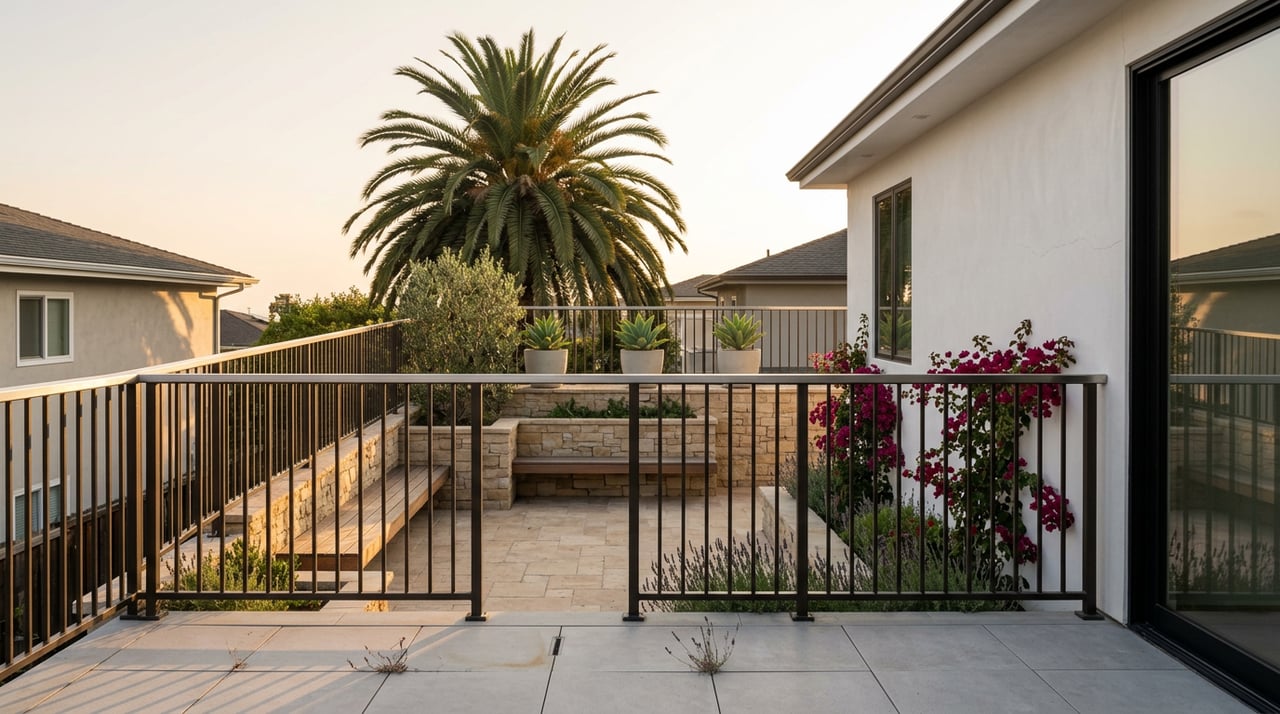
Height and parking overlays also matter. The local 30-foot Coastal Height Limit constrains second stories and rooflines, and Parking Impact and Beach Impact overlays can affect additions and ADUs. If your home is 45 years or older, historic-resource review may apply, which can influence demolition or exterior changes.
Finally, coastal hazards and resiliency are part of OB’s planning. The City highlights sea-level rise and coastal risk in its coastal resilience materials, which can affect engineering scope and insurance needs for large projects. City coastal resilience and sea-level rise overview
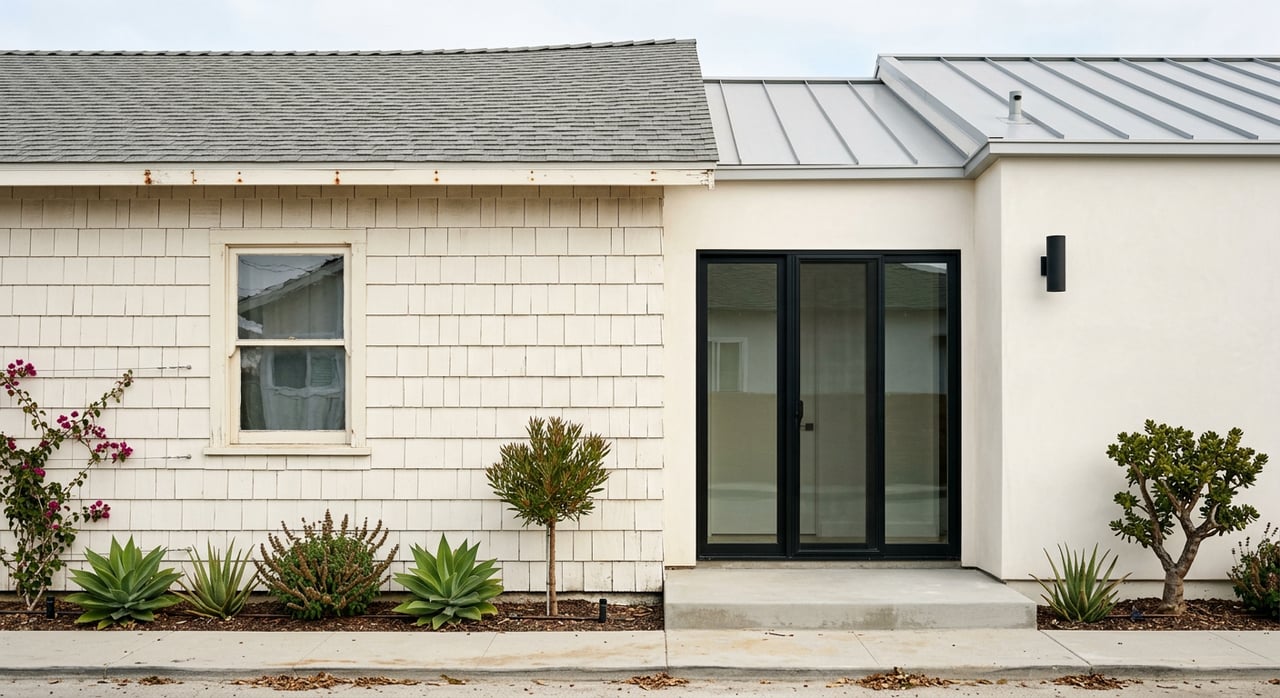
A light improvement plan focuses on speed, broad appeal, and low risk. Typical scope includes new interior and exterior paint, refreshed flooring, a minor kitchen or bath update, curb appeal, and system tune-ups. Most of this work avoids structural change and either needs no permit or only simple over-the-counter permits for minor electrical or plumbing.
Many sellers in OB choose this path to list within 3 to 6 months. Industry Cost vs. Value research continues to show that minor kitchen updates and exterior replacements often recoup a high percentage of cost at resale, which is why this approach is popular for timing-sensitive sales. 2025 Cost vs. Value key trends
Pros:
Watchouts:
A substantial remodel steps into layout changes, full kitchen and bath work, systems upgrades, and potential additions or dormers. Many owners also consider an ADU to boost income or flexibility. This level of work requires formal plans and permits under the City’s residential addition and remodel standards, and you should expect energy and code compliance along with structural calculations. Information Bulletin 140: Residential Addition/Remodel
In the Coastal Overlay Zone, your building permit package can include coastal findings or a separate Coastal Development Permit, depending on location and scope. If you are in the appealable strip near the beach or bluff, a discretionary process with appeal risk can extend the schedule. Historic-review triggers can also apply to exteriors of older homes.
Pros:
Watchouts:
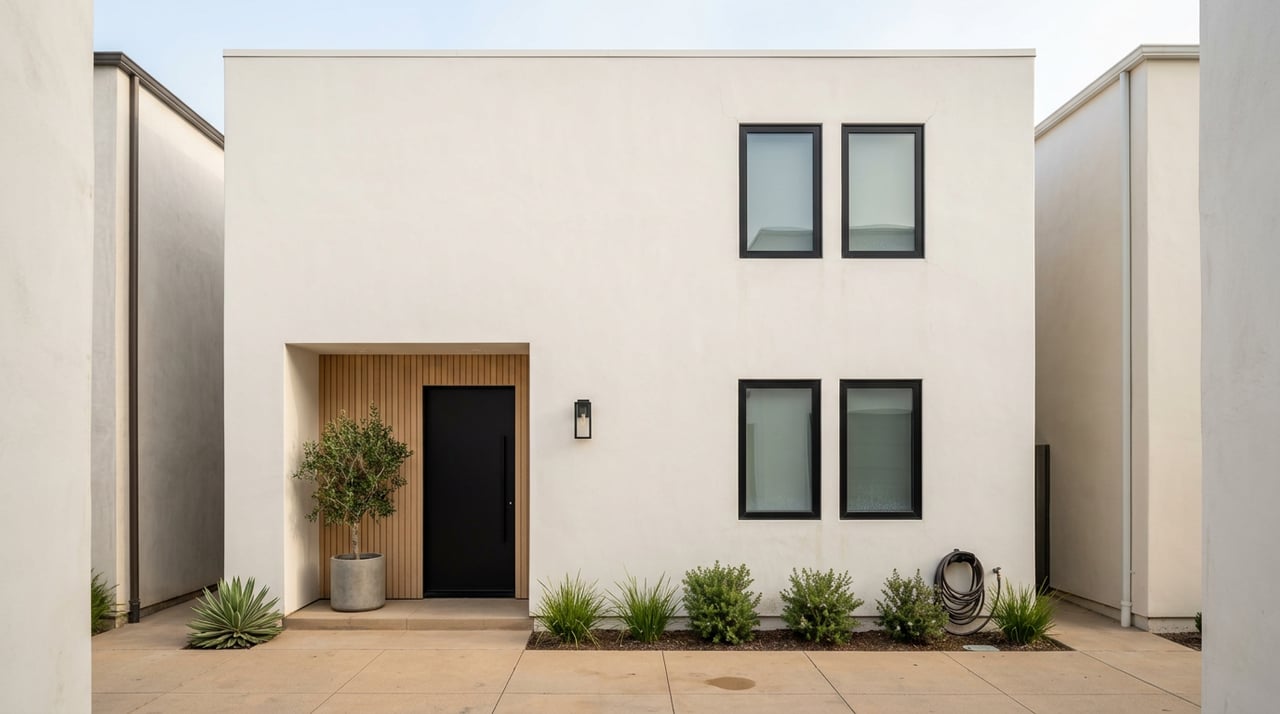
If your structure has major foundation or structural issues, or if land value and zoning support higher returns with a new build, a teardown may pencil. This route involves a demolition or removal permit, full hazardous-materials screening, and a new building permit package. Teardowns in OB often face more review steps where coastal and historic rules apply. City Demolition/Removal Permit overview
The City’s demolition guidance details required questionnaires, construction and demolition waste planning, and historic screening for older buildings. Expect longer entitlement timelines if you are within the coastal appealable area or near potential historic resources. Information Bulletin 710: Demolition Permit Requirements
Pros:
Watchouts:
Permits and reviews to expect
Hazardous-materials steps
Timelines
Cost signals to frame early budgets
Buyers in Ocean Beach value homes that feel move-in ready and function well for indoor-outdoor living. You do not need luxury finishes to win. You need clean, bright spaces that show well in photos, practical storage, and a kitchen that feels updated.
High-impact, often high-recoup projects include:
For larger budgets, a well-planned primary suite update or an ADU that creates guest or rental flexibility can widen your buyer pool.
A teardown and new build can make sense when your engineer flags major foundation or structural issues and the cure is cost-prohibitive. It can also be the right call when zoning allows a larger footprint or more units than your current structure provides. If you explore a rebuild, plan for demolition, abatement, coastal or historic reviews, and longer carrying costs as part of your feasibility.
The choice to refresh, remodel, add an ADU, or rebuild in Ocean Beach is not one-size-fits-all. Your parcel’s overlays, age, and condition determine what is practical, and today’s insurance and coastal-risk context can tilt the math. If you want a clear, local playbook, our team blends decades of coastal parcel knowledge with hands-on construction coordination to help you choose the right path and execute it well.
If you are considering a move in the next year, or want to test ROI scenarios for your OB property, reach out to the Chris Love Team to start with a parcel-specific plan and a targeted, risk-aware budget.
Stay up to date on the latest real estate trends.