Sell Your Bay Ho Fixer: Renovate or List As-Is?
December 18, 2025
December 18, 2025
You have a Bay Ho fixer and a spring timeline. The big question is simple: do you invest in a quick refresh or list the home as-is and let buyers handle it? You are not alone if you feel stuck. In a neighborhood of mid-century homes near Mission Bay, a few smart updates can attract more buyers, but not every project pays back.
This guide gives you a clear, local framework to decide. You will learn what Bay Ho buyers expect, which updates deliver strong ROI, how timelines and carrying costs affect net proceeds, and when an as-is sale is the better move. Let’s dive in.
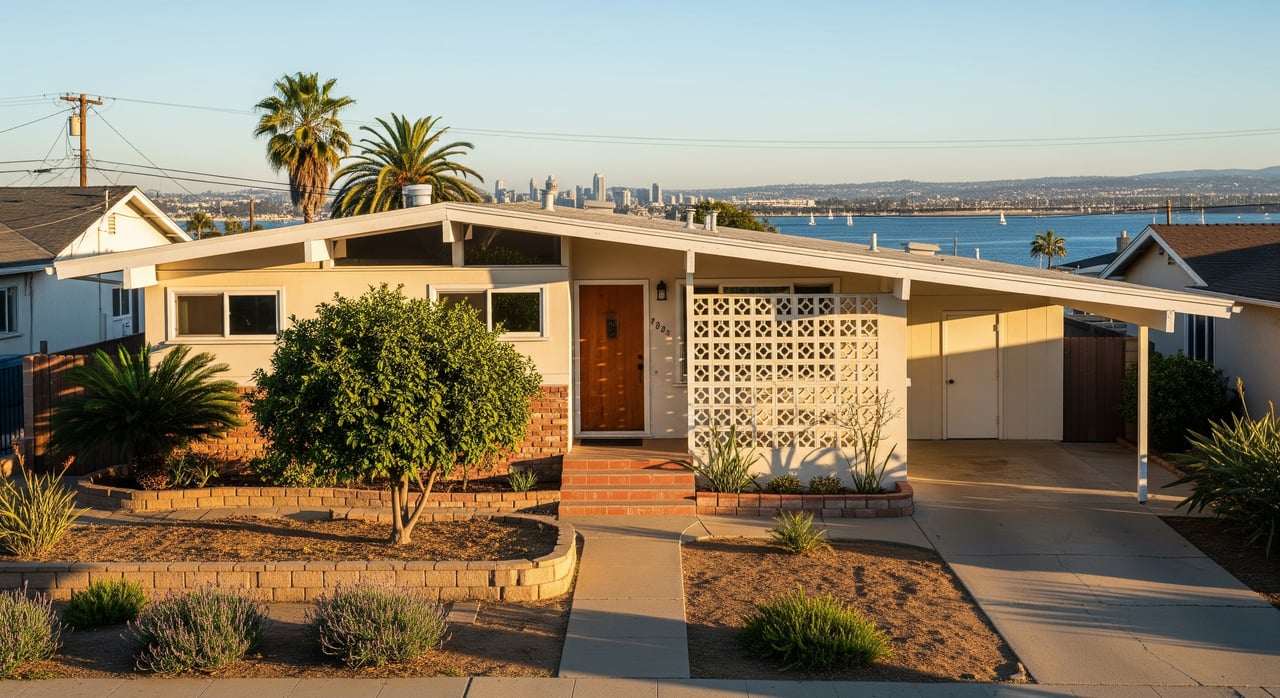
Bay Ho is a mature San Diego neighborhood with mostly mid-20th-century single-family homes and small yards. The location near Mission Bay, Bay Park, and main commuting routes is a major draw. Homes are generally modest compared with luxury coastal areas, which means condition and layout make a big difference.
Across San Diego, inventory has been relatively tight compared with many U.S. metros. Buyers stay active in well-located neighborhoods, especially in spring. Local labor and material costs tend to run higher than national averages, which can reduce returns on large, time-consuming renovations.
First-time and move-up buyers want functional, move-in readiness. They look for fresh paint, clean kitchens and baths, working systems, and minimal immediate repairs. Many use financing and are sensitive to inspection findings that could trigger lender requirements.
Local investors and house hackers often buy as-is if the price reflects needed work. They will factor in deferred maintenance and request discounts for repairs. Buyers seeking value near the water may pay for location and views, but they still expect acceptable systems and curb appeal.
Even as-is listings are usually inspected and appraised. Lenders can require repairs for safety or habitability issues. Examples include active leaks, major electrical hazards, and severe roof problems. Addressing these early helps prevent delays and last-minute price reductions.
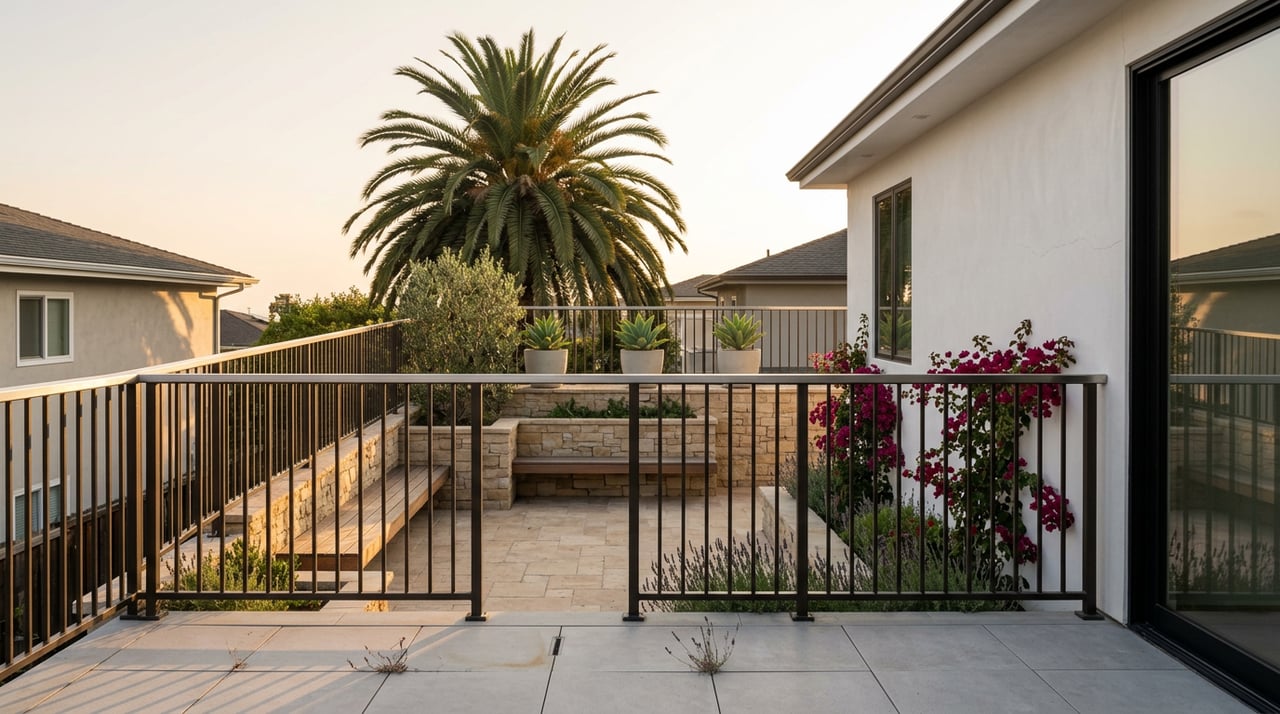
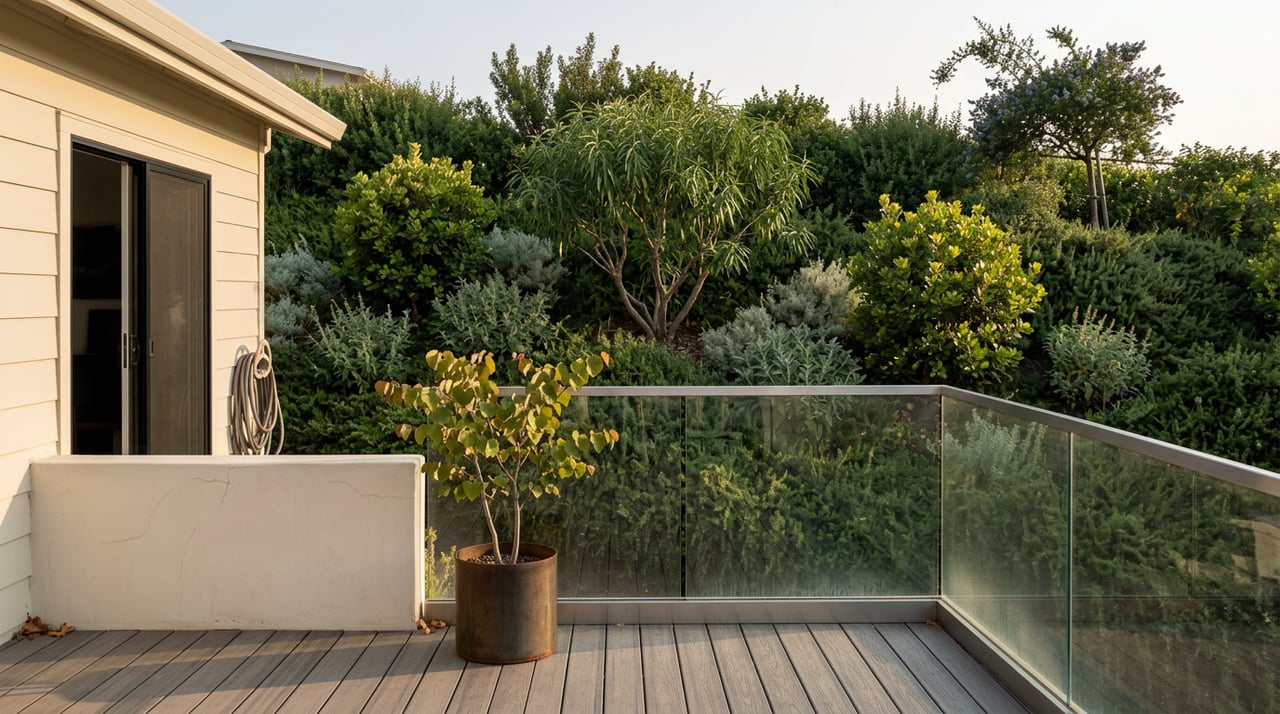
A light refresh focuses on cosmetic improvements that improve photos, showings, and buyer confidence. Common items include interior paint, deep cleaning, decluttering, minor kitchen touchups, bathroom caulk and hardware, new carpet or vinyl plank flooring, lighting swaps, and simple landscaping for curb appeal.
Moderate or major renovations go further. That might include a full kitchen remodel, bathroom overhauls, window replacements, roofing, HVAC upgrades, structural fixes, or adding square footage. These projects require more time, more budget, and often permits.
Local labor and materials push costs above national averages. Here are typical ranges for a 3-bed single-family home:
Get local contractor quotes for accurate budgets. Include a 10 to 20 percent contingency.
Industry data and agent experience show that smaller, cosmetic projects tend to recover a higher percentage of cost at sale. Fresh paint, curb appeal, and minor kitchen or bath touchups often deliver strong short-term ROI. High-end, full-scope renovations usually recoup less as a percentage and add time and carrying costs.
A light refresh can often be planned and completed in 1 to 6 weeks. Moderate to major projects can take 2 to 6 months or longer, especially with permits. Add carrying costs like mortgage, taxes, insurance, utilities, and HOA fees when you compare options.
If capturing spring demand is your goal, a quick, targeted refresh often hits the sweet spot. It broadens the buyer pool and reduces time on market without missing the season.
Walk the home and take photos. Sort issues into three buckets:
Consider an as-is strategy when you face major structural issues, active roof leaks, severe pest damage, or extensive unpermitted work. These repairs are costly, time consuming, and can exceed the value they add before a spring sale. In these cases, investor buyers are more likely to step up quickly at the right price.
You can still complete targeted safety fixes to keep financing options open. Be transparent in disclosures, price for condition, and expect investors to conduct thorough inspections. A well-documented as-is listing often moves faster than a half-finished renovation.
A structurally sound home with dated finishes is the classic refresh candidate. Fresh interior paint, new flooring in worn areas, simple kitchen and bath updates, and curb appeal upgrades can shift the buyer mix toward owner-occupiers. That can mean stronger offers and fewer repair requests.
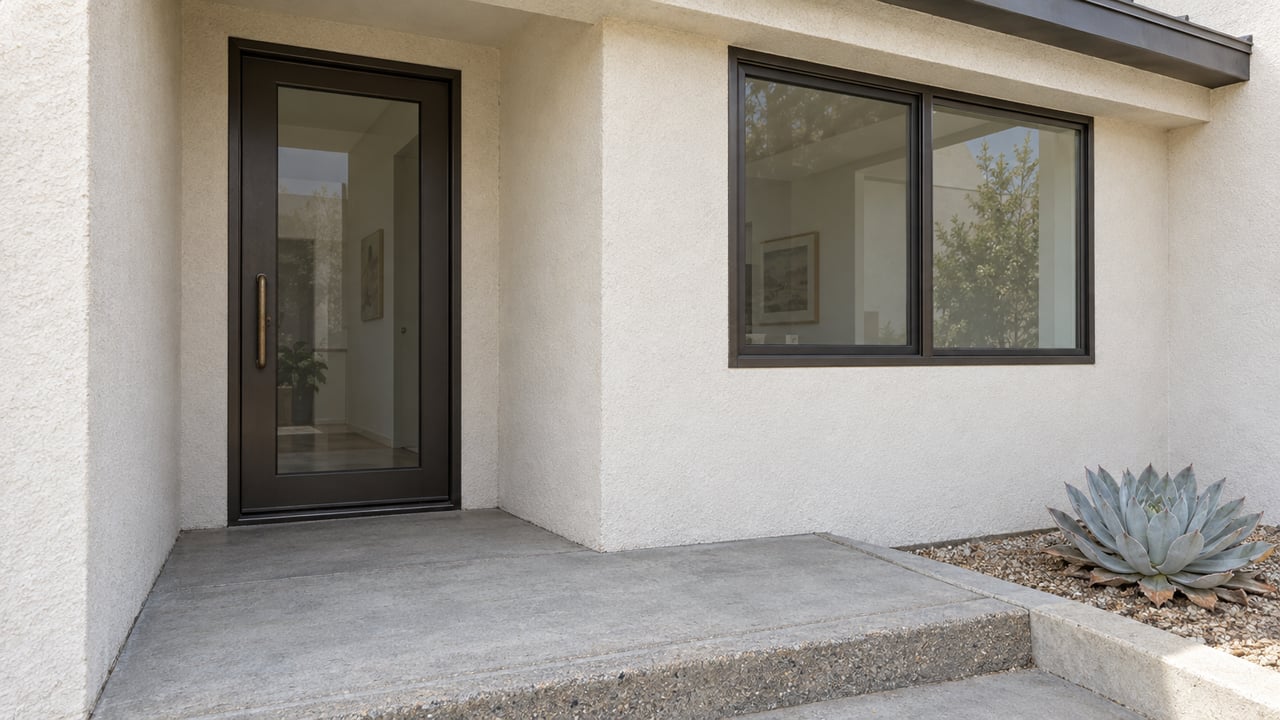
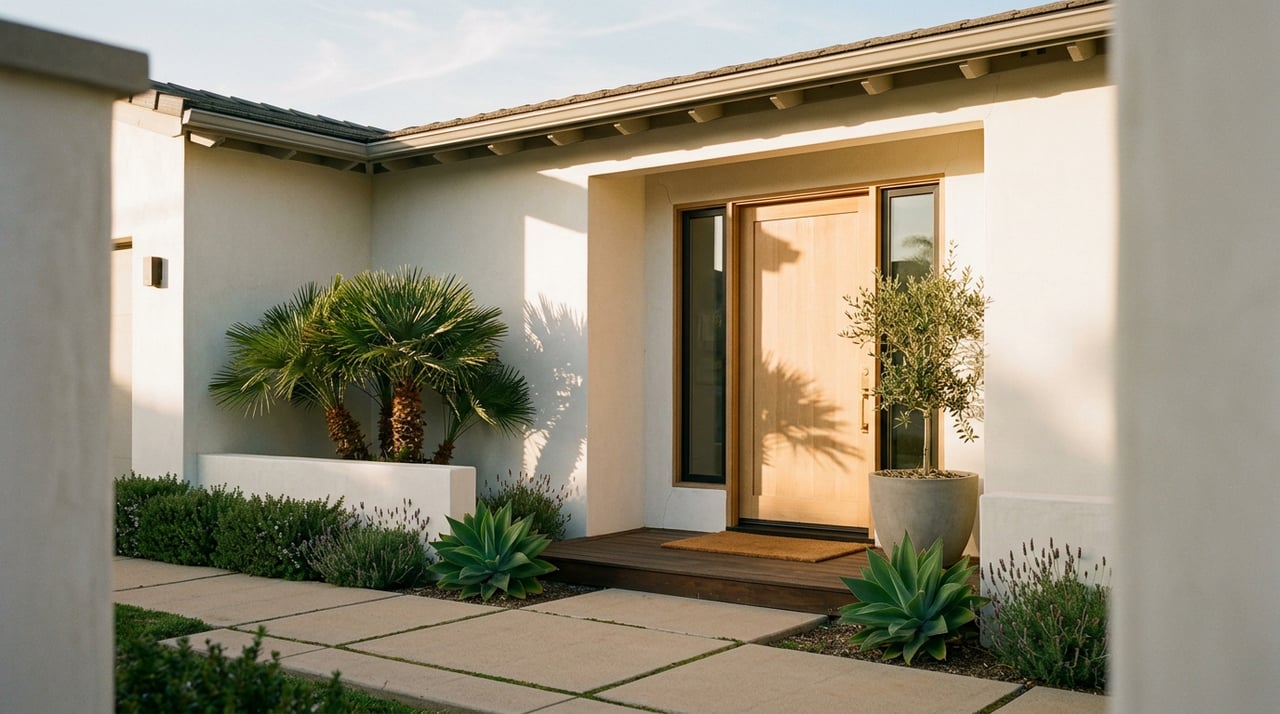
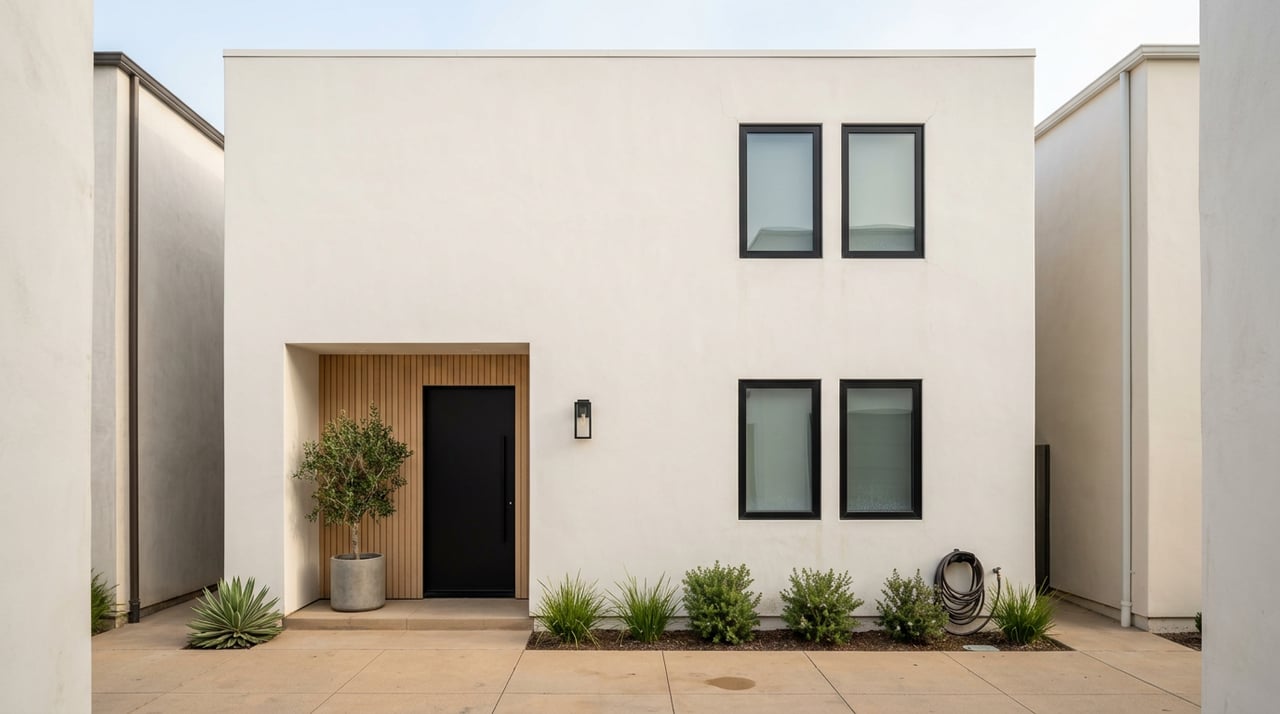
The key is to choose projects with high visual impact and low complexity. Avoid over-improving for the neighborhood. Focus on what Bay Ho buyers notice first in photos and at the front door.
California sellers must provide required disclosure forms and disclose known material facts about the property. For homes built before 1978, federal law requires a lead-based paint disclosure and the EPA/HUD pamphlet. Keep copies of permits and service records to build buyer confidence.
San Diego’s Private Sewer Lateral program can require inspection and certification before transfer in some cases. Confirm your property’s status early, since repairs can affect budget and timing. A pre-listing inspection can also surface lender-sensitive items and prevent surprises in escrow.
Your decision is not just about paint and counters. It is about timing, buyer profiles, and net proceeds. With parcel-level knowledge across Mission Bay and Bay Ho and an in-house construction and development capability, you get fast, realistic numbers for the right scope of work.
Here is how we streamline your sale:
If your home is a better fit for an as-is strategy, we position it for the right investor pool with full transparency and a clean process. If a light refresh will pay off, we move quickly so you hit the spring window without over-spending.
In Bay Ho, small and targeted improvements often deliver strong results when your home is structurally sound. Large, high-end renovations add risk, time, and carrying costs that are hard to recoup before a spring sale. The right choice depends on your home’s condition, your timeline, and how buyers in this neighborhood are responding right now.
Ready for a Bay Ho specific plan and numbers? Request a personalized home valuation from the Chris Love Team, and we will map the fastest path to your best net.
Stay up to date on the latest real estate trends.