Living in Mission Beach, San Diego: What to Expect
February 5, 2026
February 5, 2026
Thinking about making Mission Beach your home? You probably picture early surf checks, sunset walks, and grabbing tacos in flip‑flops. You also want the unfiltered view of daily life, from parking and crowds to housing types and coastal rules. In this local guide, you’ll learn what it really feels like to live here, how the neighborhood is organized, and the tradeoffs to consider before you buy. Let’s dive in.
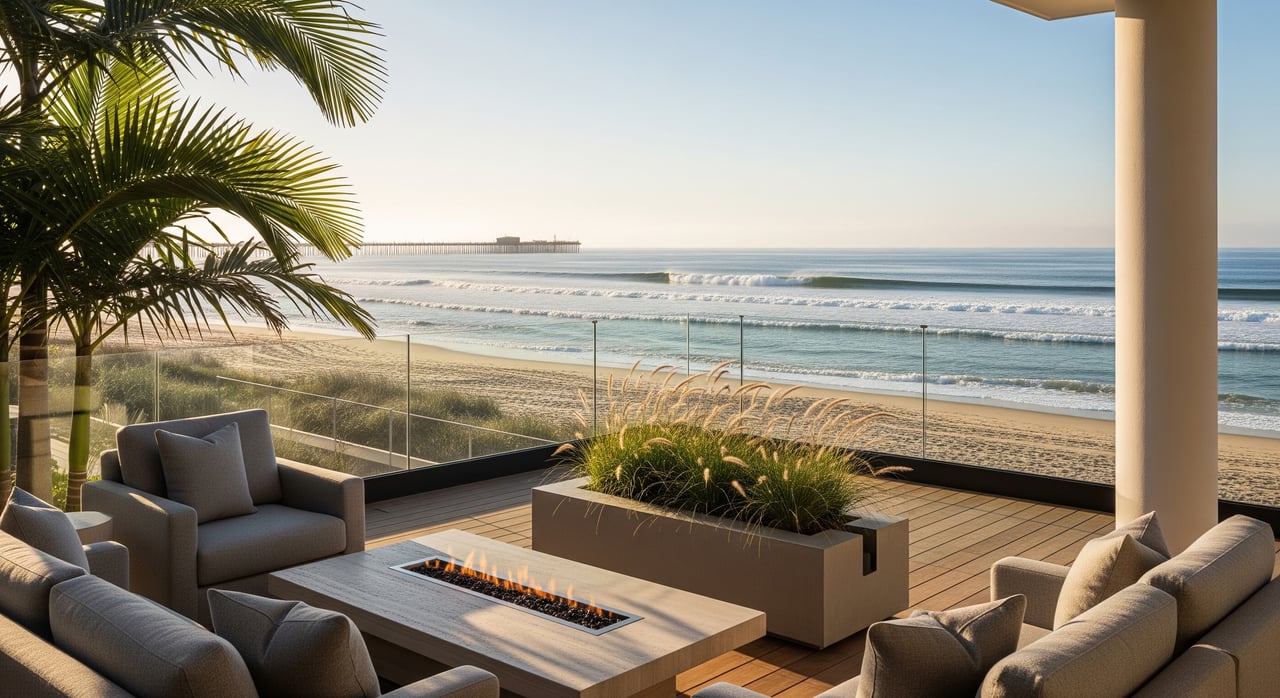
Mission Beach runs along a narrow strip between the Pacific Ocean and Mission Bay. The oceanfront boardwalk is lively and walkable, with steady foot and bike traffic most days and a big surge in summer. On the bay side, the water is calmer and the vibe is generally quieter. The area around Belmont Park brings family fun, casual food, and the historic Giant Dipper roller coaster; you can explore current happenings through Belmont Park and the historic Giant Dipper and this Mission Beach overview from Visit San Diego.
Summer brings heavy crowds on weekends and holidays. The shoulder seasons and weekdays outside summer feel noticeably calmer.
You can leave the car parked more often than you think. Walking and biking are the easiest ways to move around for coffee runs, the beach, and quick errands. Many residents keep a beach cruiser for daily trips and store boards and gear by the door.
Outdoor recreation is the heartbeat here. On the ocean side you’ll find surfing, swimming, and volleyball. On the bay, you’ll see standup paddleboards, small sailboats, and relaxed swimming areas.
Food is laid‑back and local. Expect boardwalk casual, cafés, and a few sit‑down options. For larger grocery runs or specialized services, most people head a short distance to nearby neighborhoods like Pacific Beach.
Noise varies by block and season. Late‑night spots near the boardwalk and Belmont Park can stay lively. If you’re sensitive to noise, look closely at unit orientation, distance from activity, and HOA rules.
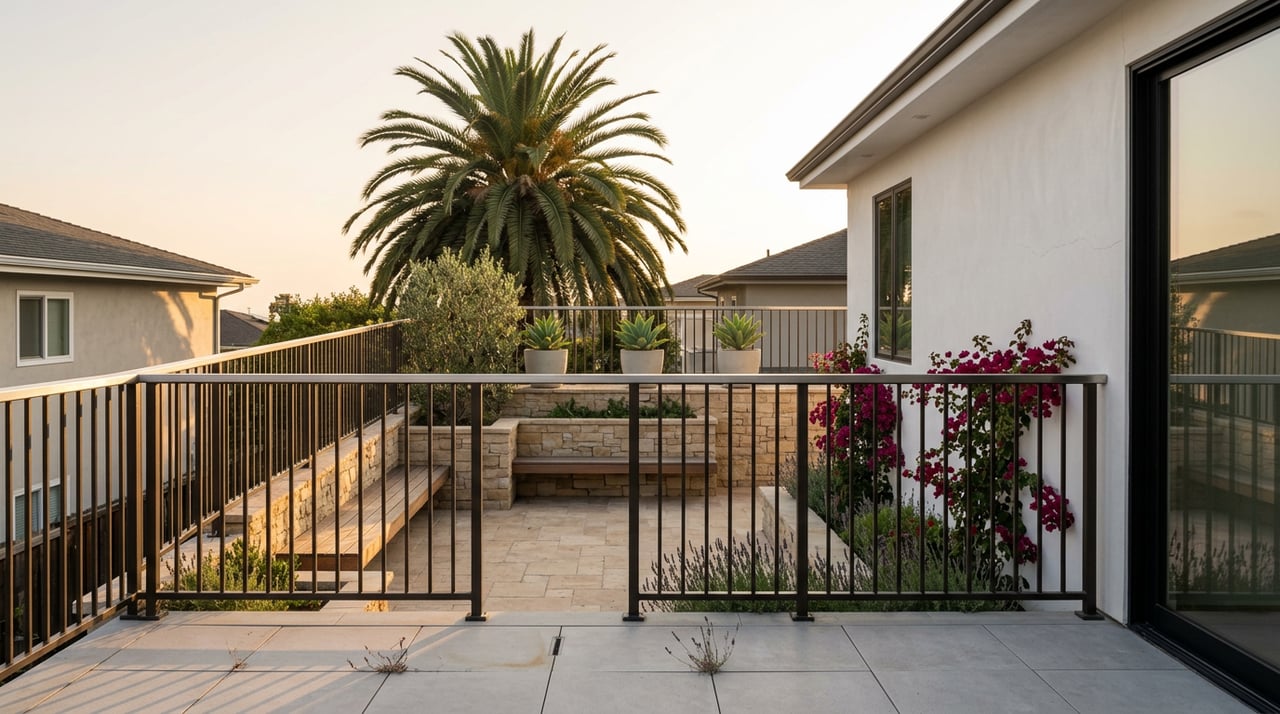
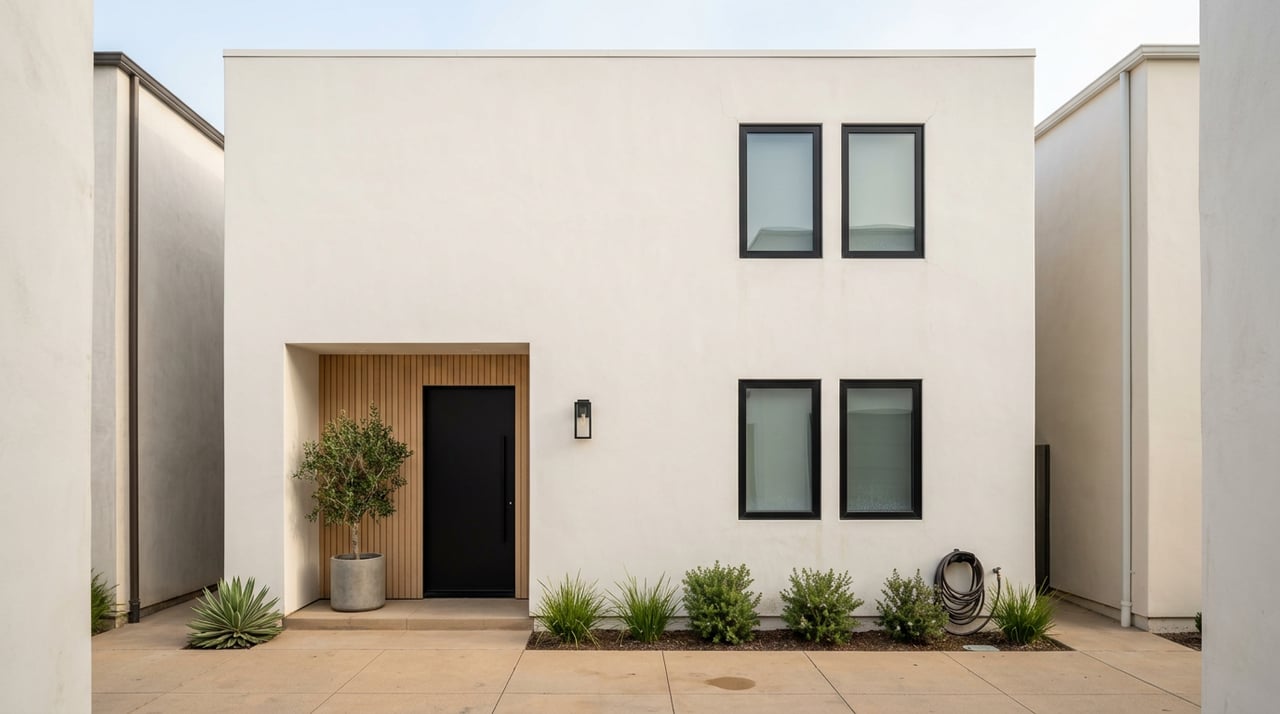
Homes in Mission Beach are compact and close to the action. You’ll see classic beach cottages, narrow multi‑story single‑family homes, duplexes and triplexes, and many condos from mid‑century to newer builds. Lots are small and space is used efficiently.
Ownership and rental mix is diverse. Many buildings are condos with HOAs that set rules on pets, noise, and short‑term rentals. A notable share of homes are rented, including seasonal rentals that serve visitors.
Pricing reflects the premium for water and walkability. Oceanfront and water‑view properties command the highest values, and inventory can be tight. If you are comparing options, recent MLS or SDAR neighborhood reports are your best snapshot for current pricing, days on market, and inventory.
Short‑term rentals are common, but they come with city oversight. If you plan to host, review San Diego’s short‑term rental regulations, including registration, safety, and tax requirements. Many HOAs have their own restrictions, so verify covenants before you assume rental income.
If you plan renovations to add bedrooms or reconfigure space for rentals, check coastal permitting needs first. Projects near the shoreline may require a City Coastal Development Permit and, in certain cases, California Coastal Commission review. Start with the City’s Coastal Development Permits page and the California Coastal Commission’s permit guidance.
Parking is the biggest day‑to‑day constraint for many residents. On‑street spaces can be competitive, especially in summer or during events. Private garages are often single‑car, and some homes lack a garage. If you rely on a car, prioritize properties with dedicated parking or confirm local programs such as residential permit parking districts.
Public transit is available, but many locals still prefer bikes, scooters, or cars for errands and commuting. Traffic can back up on Mission Bay Drive, Sea World Drive, and access to I‑5 during peak times. Good bike storage and locks are useful at home.
Mission Beach is low‑lying and exposed to coastal flooding and storm surge. Before you buy, check your property’s flood designation at the FEMA Flood Map Service Center and explore long‑term scenarios in NOAA’s Sea Level Rise Viewer. Many homeowners carry flood insurance, and lenders may require it for properties in certain zones.
Salt air is hard on buildings. Roofs, metal fixtures, and exterior finishes need more frequent care. Renovations and expansions can trigger coastal reviews or updated building standards. The City’s Coastal Development Permits page is a useful starting point for understanding what work may need special approvals.
Tourist areas can see more property crime than quieter residential zones. For current data and tips, review SDPD’s crime statistics and maps and plan for practical steps like locked bike storage and well‑lit entries.
Choose Mission Beach if you want a daily rhythm built around sand, surf, and bay breezes. You will trade larger lots and extra storage for water access, boardwalk energy, and a true coastal lifestyle. If you prefer quiet streets and abundant parking, you may want to focus on bay‑side blocks or consider nearby neighborhoods.
The best way to decide is to visit in both peak and off‑season. Spend time on a summer weekend and a weekday in winter. Notice parking patterns, nighttime noise, and how the streets feel at different hours.
If you plan to update or reimagine a property, having a practical read on cost, timelines, and permitting will save you time. A local team with construction and coastal experience can help you pressure‑test plans early.
Living here is a choice to prioritize the ocean, the bay, and a walkable, outdoor lifestyle. With the right due diligence, you can enjoy the best of the beach while planning for the realities of parking, maintenance, and coastal regulations. If you want a local, candid guide to compare streets, evaluate HOA rules, or map out a renovation plan, the Chris Love Team is here to help.
Stay up to date on the latest real estate trends.