If you own in Mission Beach, you know that a few feet can change everything. On this narrow stretch between the ocean and the bay, value shifts by block face, view corridor, and even how your parking is arranged. You want a clear number you can trust, not a zip-code average. In this guide, you’ll see how micro-location, parking, outdoor space, rental history, and condition work together to shape price, plus what to gather for a precise, personalized valuation. Let’s dive in.
Why micro-location drives price
Mission Beach is a slender barrier spit with homes positioned on Oceanfront Walk, Bayside Walk, or the interior courts. Because land is scarce and exposure varies from one side of a block to the other, the exact position of your property is the primary pricing lever.
Oceanfront Walk
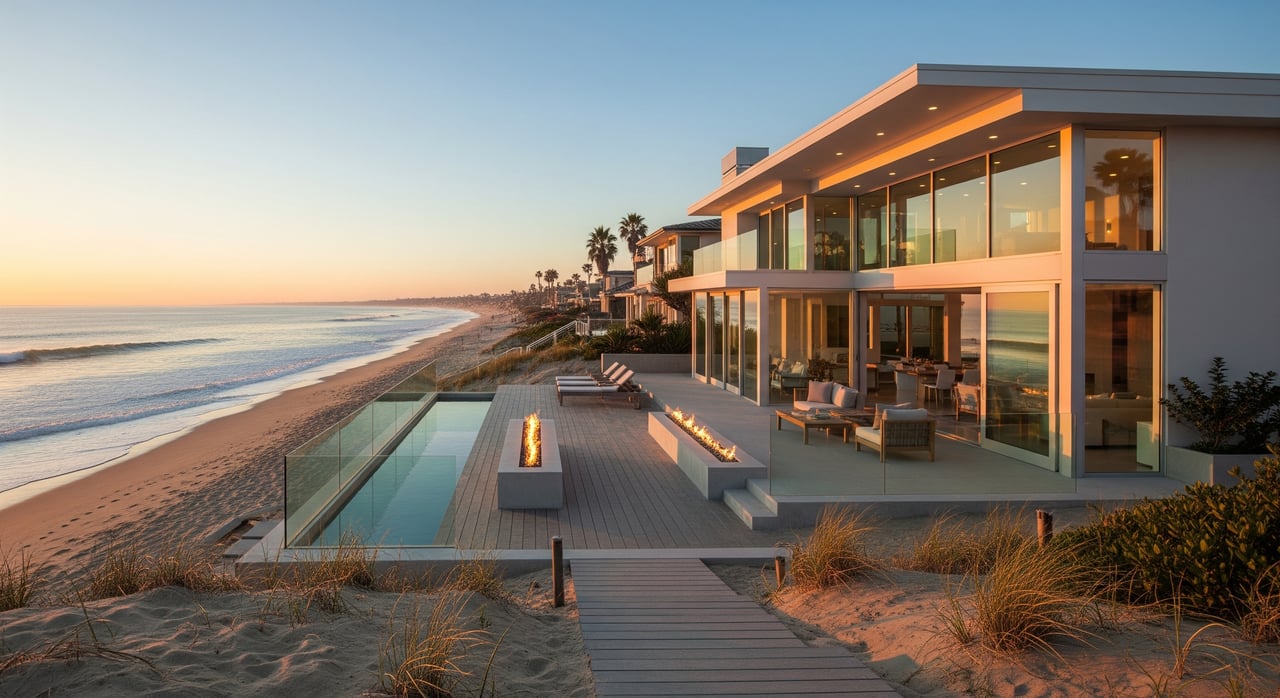
If you sit right on the Pacific-facing boardwalk, you benefit from direct beach access, sweeping ocean views, and high visibility. Buyers pay a premium for that lifestyle and address. Tradeoffs can include more noise, public access at your doorstep, and higher exposure to coastal storms, which some buyers factor into maintenance and insurance costs.
Bayside Walk
Bayside locations offer calm-water views, proximity to boating and paddle sports, and a more protected feel. Many buyers compare bay views against ocean views at a different price point. For some, the slightly quieter environment is the deciding factor.
Interior courts
Interior courts often trade below waterfront positions but can gain ground with privacy, larger footprints on certain parcels, or better parking configurations. Courts typically have less wind and salt exposure, which can help with long-term upkeep.
Tip: When selecting comps, start by matching the side of the block. In Mission Beach, that single filter often matters more than any other variable.
Parking and daily convenience
Parking is scarce in Mission Beach, and the details matter. Buyers pay for convenience.
- Deeded off-street parking adds clear value and improves resale appeal.
- Side-by-side or a private garage is more desirable than tandem because it reduces daily friction.
- Tandem can work for second-home or rental users but is less ideal for full-time living.
- No dedicated parking narrows your buyer pool and can extend time on market.
When building comps, note the number of deeded spaces, whether they are tandem or side-by-side, and whether any stalls are covered or enclosed.
Outdoor space and views
Outdoor living defines coastal life. The type, size, orientation, and privacy of your outdoor spaces all influence price.
- Direct, private access to the sand and unobstructed views command the strongest premiums.
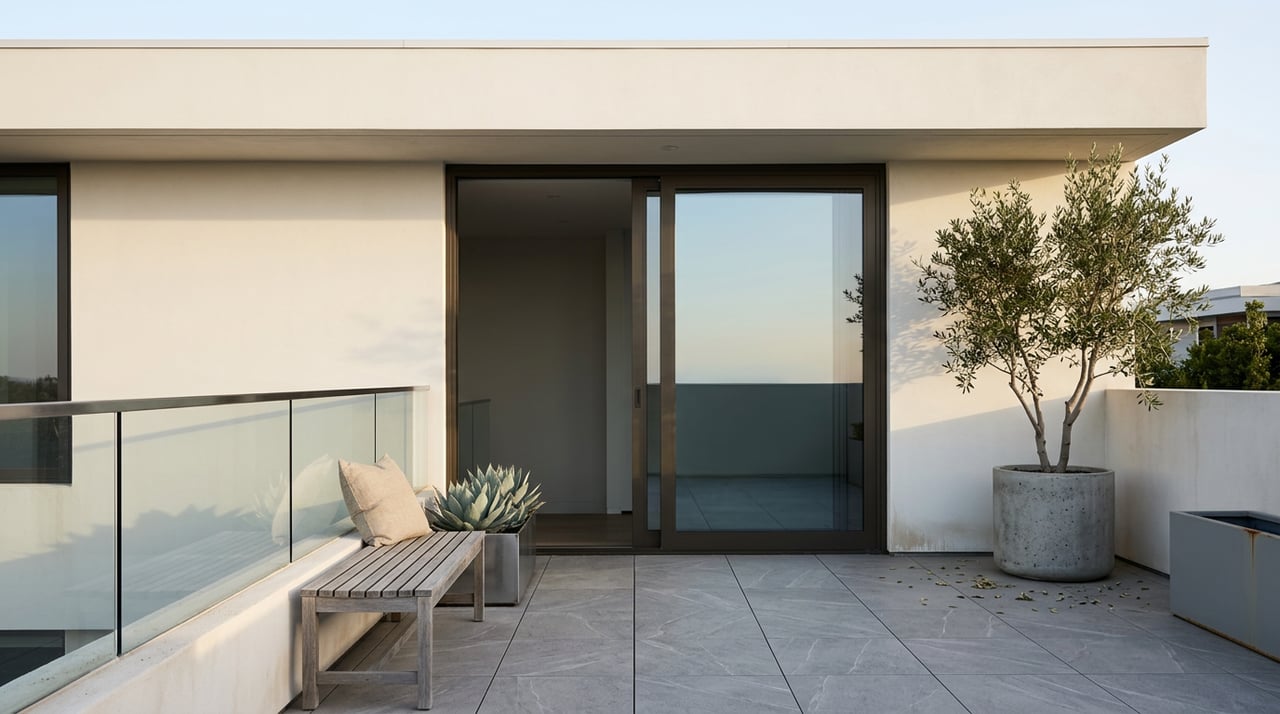
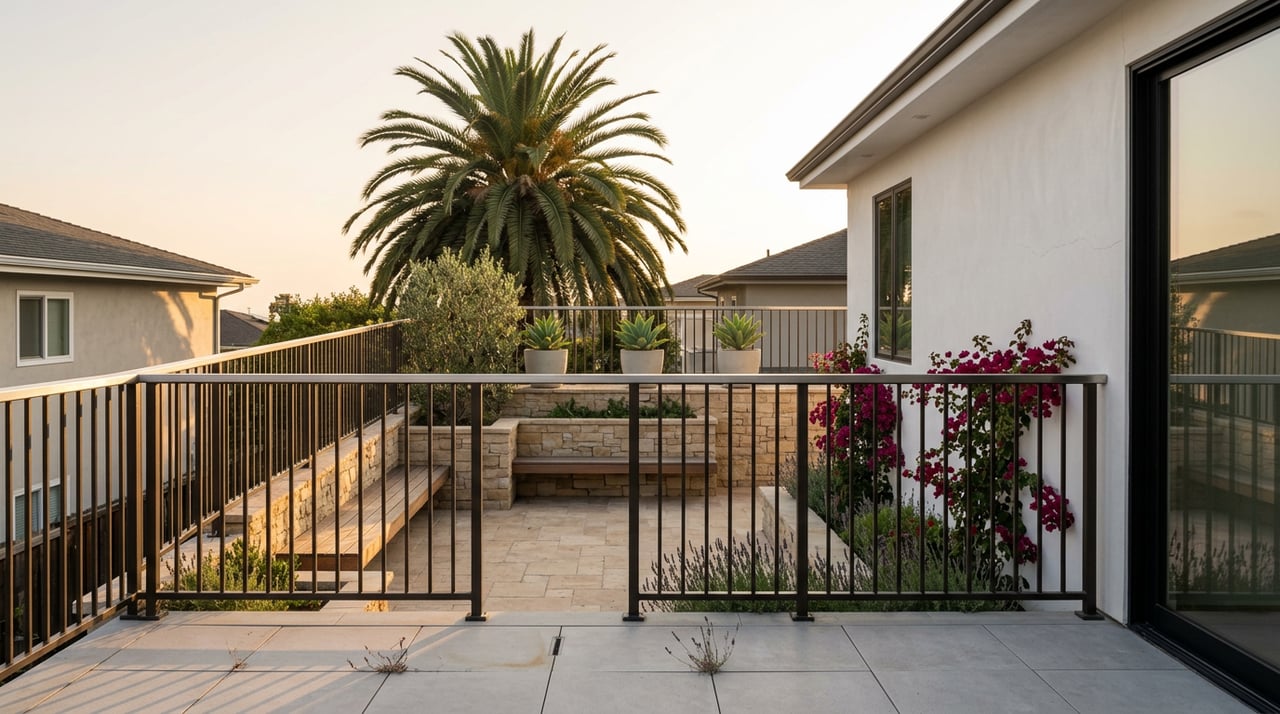
- Rooftop decks extend your living area and are often a key differentiator in listings, especially when they capture ocean or bay vistas.
- Balconies, ground-level patios, and shared courtyards vary in value based on view, sun exposure, and privacy.
If you plan improvements, remember that rooftop decks and structural changes may require permits and must meet code and insurance standards. The California Coastal Commission oversees state coastal policies, and local planning rules apply. You can review general coastal policy guidance on the California Coastal Commission site.
Rental history and permits
Mission Beach is a popular rental market for both short stays and longer terms. Solid documentation can attract investor buyers and support income-based valuations.
- Short-term rentals: Historical booking data, occupancy by month, and gross revenue can strengthen an investor case, especially when registration is in good standing.
- Long-term rentals: Provide stability but usually at lower per-night rates than short-term stays.
- Compliance: The City of San Diego regulates short-term rentals. Owners typically register and collect transient occupancy taxes. Review requirements on the City of San Diego short-term residential occupancy page and check tax obligations on the Transient Occupancy Tax page.
What to gather for valuation:
- Booking history, monthly occupancy, and gross revenue for 12–36 months
- Copies of short-term rental registration or permits
- Transient Occupancy Tax filings and property management agreements
- Operating expenses and any seasonality notes
Regulatory shifts can affect risk and price sensitivity. Buyers will weigh both income and compliance.
Condition, permits, and insurability
Coastal properties face unique wear. Clear documentation helps protect value.
- Common issues: salt and moisture damage, wood rot, cladding corrosion, and foundation concerns.
- Permits: Unpermitted work can depress value and complicate a sale. Keep records of remodels, contractor warranties, and permits.
- Insurance: Some coastal parcels require flood insurance, and premiums may be higher. Check your flood zone designation on the FEMA Flood Map Service Center. Buyers also expect coastal hazard disclosures.
If you need parcel or tax history, the San Diego County Assessor maintains public records.
How professionals value a Mission Beach property
A one-size-fits-all estimate will miss what makes your property unique. A strong valuation blends methods.
Comparable-sales approach
Start by matching micro-location, then narrow to unit type and key features.
- First sort by position: oceanfront, bayside, or interior court
- Match unit type: single-family, multi-unit, or condo
- Compare parking, outdoor space, and view quality
- Then refine by square footage, layout, and interior condition
- Favor sales within 6–12 months, but expand time if inventory is thin
When possible, use paired sales on the same block to isolate differences like view or parking.
Income approach
Use this when rental history is meaningful or when marketing to investors.
- Build a stabilized 12-month view of net operating income
- Apply market cap rates from comparable coastal investor properties
- Stress-test seasonality if using short-term rental income
Cost approach
Useful for recent new construction or a unique build when comps are scarce. In Mission Beach, scarcity and location premiums often limit this method’s weight.
Hybrid and sensitivity checks
The best reports reconcile multiple approaches and test assumptions. For example, show how value shifts if parking were tandem rather than side-by-side or if short-term rental permits changed.
For broader market context, the San Diego Association of Realtors publishes local market trends that help frame pricing conditions.
What we need for your personalized valuation
Send the following to get started. You can use this as a quick checklist.
- Property address and APN or unit number
- Photos, floor plans, and any prior listing flyers
- Parking details: number of spaces, deeded status, tandem vs. side-by-side, covered or garage
- Outdoor space summary with view photos from balconies or roof decks
- Square footage, bed and bath count, and a list of upgrades with dates and permits
- Building type and any HOA documents, including parking rules
- Rental history for 12–36 months, short-term rental registration, TOT filings, and management agreements
- Recent inspections, termite, roof, or structural reports, plus insurance loss history
- Any unpermitted work or open code items
- Your timeline and whether the property conveys furnished
What to expect and timing
A credible Mission Beach valuation should include:
- A clear scope: address, date, and intended use
- A visual map showing comp locations and each comp’s block side
- A sales comparison grid with explicit adjustments for view, parking, outdoor space, and condition
- If relevant, an income schedule with NOI and cap rate assumptions
- Disclosure of assumptions and a simple sensitivity analysis
Timing: With complete information, a locally informed comparative market analysis often takes 24–72 hours. A formal appraisal typically requires 1–2 weeks.
Ready to learn your number?
If you want a precise, local answer to what your Mission Beach home is worth, we are here to help. As a third-generation, family-run team with an office on Mission Boulevard and in-house construction expertise, we can evaluate both today’s price and the upside from targeted improvements. Request your personalized valuation from the Chris Love Team.
FAQs
How does micro-location in Mission Beach affect value?
- The side of the block is usually the largest adjustment, with oceanfront, bayside, and interior courts trading at different levels based on view, access, and exposure.
Do parking details really change my home’s price?
- Yes. Deeded, side-by-side or garage parking increases value and marketability, while tandem or no dedicated parking typically narrows the buyer pool.
Can short-term rental income increase my sale price?
- Documented, compliant short-term rental history can attract investor buyers and support a higher price, but seasonality and regulation temper assumptions.
Which outdoor features add the most value in Mission Beach?
- Unobstructed views, private beachfront access, and usable roof decks are top premiums. Size, orientation, and privacy all matter.
What risks or disclosures should I prepare for on the coast?
- Expect questions about flood zones, coastal hazards, insurance costs, and any unpermitted work. Use the FEMA map for flood zones and keep permits handy.
What information should I provide for a personalized valuation?
- Share parking details, outdoor space photos, recent upgrades with permits, rental history, inspections, insurance history, and your timing and furnishings plan.